
When traveling to Sapa and having explored the usual tourist spots like Sapa Stone Church and Ham Rong Mountain, if you’re wondering where else to visit, DanangPrivateCar.com’s is here to share with you a nearby tourist destination that is not only easy to reach but also offers plenty of beautiful photo opportunities, rich cultural authenticity, and delicious local specialties. Where could this magical place be? It’s none other than Cat Cat Village Sapa.
As a quaint and charming village, Cat Cat Village Sapa captivates visitors with its simple wooden houses, meandering streams, vibrant ethnic fabric, and becomes an appealing tourist destination.
This article provides some information about Cat Cat Village Sapa, Lao Cai, hoping it will be useful for your upcoming trip.
Where is Cat Cat Village Sapa Located?
From the center of Sapa town, following the road towards Mount Fansipan for approximately 3 kilometers, you will arrive at Cat Cat Village. Cat Cat Village is located in the administrative area of San Sa Ho commune, Sapa district, Lao Cai province. It is a place densely populated by the ethnic Hmong people. Compared to other villages like Ta Van and Ta Phin, Cat Cat is even closer to Sapa town, just 3 kilometers away, and easier to reach. This is why Cat Cat Village attracts many visitors during their Sapa trips.
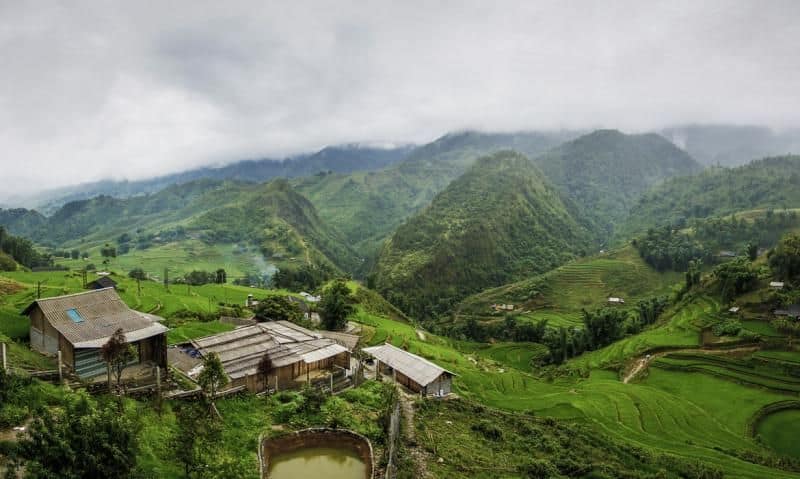
The village is named Cat Cat because at the beginning of the 20th century, the French discovered the magnificent beauty of this place and chose it as a resort for high-ranking officials. The French named the place Cat Cat because there is a beautiful waterfall in the village, which they called “CatScat” in French.
Nestled at the foot of Hoang Lien Son Mountain Range, Cat Cat Village hides itself under the embrace of Mother Nature. The lush green of the rice fields, rolling hills covering the entire village, and the small houses of the local residents all blend together to create a picturesque natural landscape that is both colorful and poetic.
See more articles introducing an overview of Sapa: Introduction to Sapa, Lao Cai – A Famous Tourist Destination in the Northwest
Directions to Cat Cat Village Sapa
In this article, DanangPrivateCar.com provides directions from Hanoi to Sapa and from Sapa hotels to Cat Cat Village Sapa:
From Hanoi to Sapa
The distance from Hanoi to Sapa is 319 kilometers. If you drive from Hanoi to Sapa via the CT05 expressway, it takes approximately 5 to 5.5 hours. You can also travel by bus, train, or private car.
Traveling to Sapa from Hanoi by Bus: It takes about 7 – 8 hours to travel from Hanoi to Sapa by bus. However, to catch a bus, you need to go to the My Dinh or Gia Lam bus station in Hanoi. Additionally, the road to Sapa is quite winding, so if you are prone to motion sickness or easily get tired, this journey may be challenging for you, as the winding roads and bumps can be quite exhausting.
Traveling to Sapa from Hanoi by Train: Train travel is a popular choice for many tourists due to its affordability, convenience, and safety. However, one significant drawback of traveling by train to Sapa is that the train station is not located in the city center, which can be inconvenient for international travelers.

Traveling to Sapa by Private Car: With the private car service in Hanoi, this is a suitable option for families and groups of friends. DanangPrivateCar.com’s private car service can make your journey comfortable and time-efficient, eliminating the need to search for or book buses and trains, which can be challenging in Hanoi. Our professional English-speaking drivers will pick you up from anywhere in Hanoi, such as your hotel, Noi Bai Airport,... You just need to provide us with the pick-up information, date, and time, and our driver will be there on time. Your only task is to sit back and enjoy the journey. Book your private trip from Hanoi to Sapa with us today for detailed advice.
From Sapa to Cat Cat Village
There are three ways to travel from Sapa town to Cat Cat Village: by taxi, motorbike, or on foot.
Hire a Motorcycle Taxi (Xe ôm)
If you don’t have a motorbike (which is the case for most travelers who take the train or bus to Sapa) or are concerned about getting lost in an unfamiliar area, especially if it’s your first time visiting Sapa, you can take a motorbike taxi to Cat Cat Village. There are many motorbike taxi drivers operating at locations like in front of Sapa Stone Church and the Sapa bus station. It costs around 40,000 VND for a one-way trip or 70,000 VND for a round trip.
Rent a Motorbike and Ride Independently
If you want to have more control and flexibility while exploring the route to Cat Cat Village, renting a motorbike is a good option. Rental prices typically range from 80,000 to 150,000 VND per day. For those with experience and a strong grasp of riding, and who may want to stop by the roadside to take photos of beautiful scenery, renting a motorbike and riding independently is convenient. The road to Cat Cat Village is not difficult, with no steep slopes or rough terrain like the roads to Ta Van or Ta Phin villages. The route is relatively short, only 3 kilometers, making it a manageable journey for experienced riders.
Rent a Bicycle
Another interesting option is to explore the area on a bicycle. The distance from Sapa town to Cat Cat Village is about 3 kilometers, and the road is not too challenging, making cycling a suitable choice. Many guesthouses and hotels in Sapa offer bicycle rental services. Rental prices typically range from 120,000 VND to 150,000 VND per day.
Lastly, Walking or Trekking
Many Western backpackers prefer walking or trekking from Sapa town to Cat Cat Village. Along the way, you’ll come across groups of Western travelers trekking to Cat Cat Village. This is an excellent way to enhance your physical fitness, enjoy the scenery, and save money since it’s entirely free. Walking is a great option because the route from Sapa town to Cat Cat Village offers vast and majestic landscapes. On one side, you’ll see the towering mountains, while on the other, you’ll encounter the picturesque Sapa Valley with its terraced fields. Moreover, as the route to the village is uphill, you can also get a panoramic view of Cat Cat Village from above, with houses nestled amidst lush greenery. If you have the time, be sure to visit the lookout tower at the entrance of Cat Cat Village for a bird’s-eye view of the entire village.
Which Season is the Most Beautiful to Visit Cat Cat Village Sapa?
The Cat Cat Village area experiences a subtropical humid and temperate climate, so it has a cool and pleasant atmosphere. Any season you visit will have its own unique and captivating beauty.
In the spring, you can admire the cherry blossoms and plum blossoms blooming in vibrant colors around the village, creating an incredibly charming and heartwarming sight.
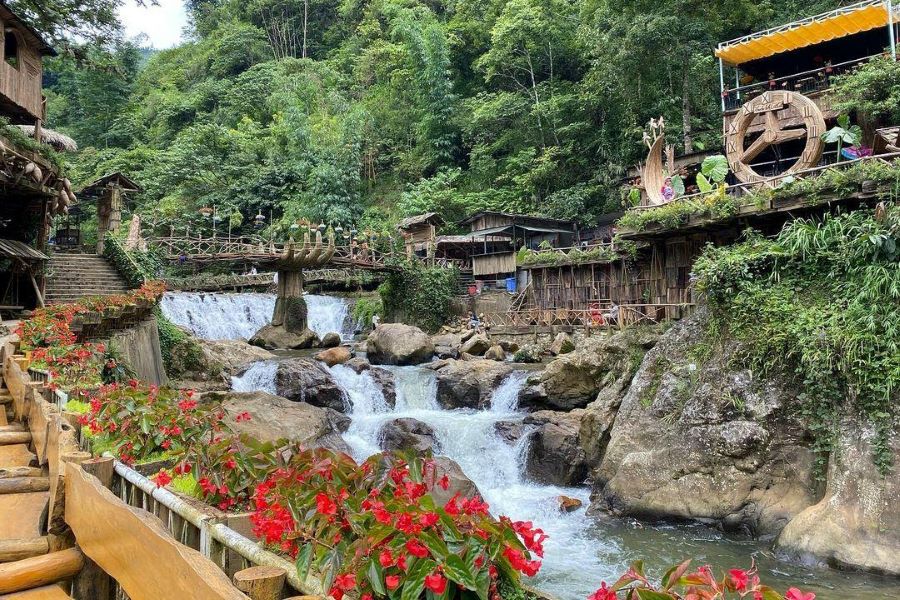
In the summer, the golden mustard flowers against the backdrop of lush greenery will delight you.
Autumn brings ripe golden rice fields, cool weather, and flowing waterfalls around the area, creating a romantic and inviting atmosphere.
In winter, Cat Cat Village is covered in ice and snow. It’s also one of the most beautiful destinations to admire snow in the country, with misty clouds, and a pristine white landscape covering the entire area.
Ticket Prices for Cat Cat Village
Currently, Cat Cat Village is planned and managed as a tourist village, so there is an entrance fee as follows:
- Adults: 150,000 VND per person
- Children: 50,000 VND per person
After purchasing your ticket, it’s advisable to pick up a map of Cat Cat Village at the ticket counter to have directions to the famous attractions and pathways within the village.
Seven Exciting Experiences You Can’t Miss When Visiting Cat Cat Village, Sapa
Admire the Terraced Fields
Terraced fields are a unique form of agriculture practiced by the people of the Northwest, including Sapa, Lao Cai. On the way to Cat Cat Village and even within the village, you will have the chance to feast your eyes on the terraced fields, which undulate like green silk embracing the hillsides and mountains. In the distance, the green of the endless mountain ranges adds to the charm of the picturesque landscape, like a desert oasis, in this mountainous region.

I am extremely fond of observing the terraced fields during two specific times of the year. In April and May, it’s the season when the locals bring water to the fields. The terraced fields resemble large silver mirrors, reflecting the lush vegetation, clouds, and mountains. In the fall, around August and September, it’s the harvest season when the rice turns golden. Everywhere is adorned with the golden color of ripe rice, a sight that fills the eyes and satisfies the soul. These terraced fields have been cultivated for many years, the result of the meticulous efforts of the Dao, Mong, Ha Nhi, Giay, and other ethnic groups in the region.
Explore the Traditional Craft Villages in Cat Cat Village
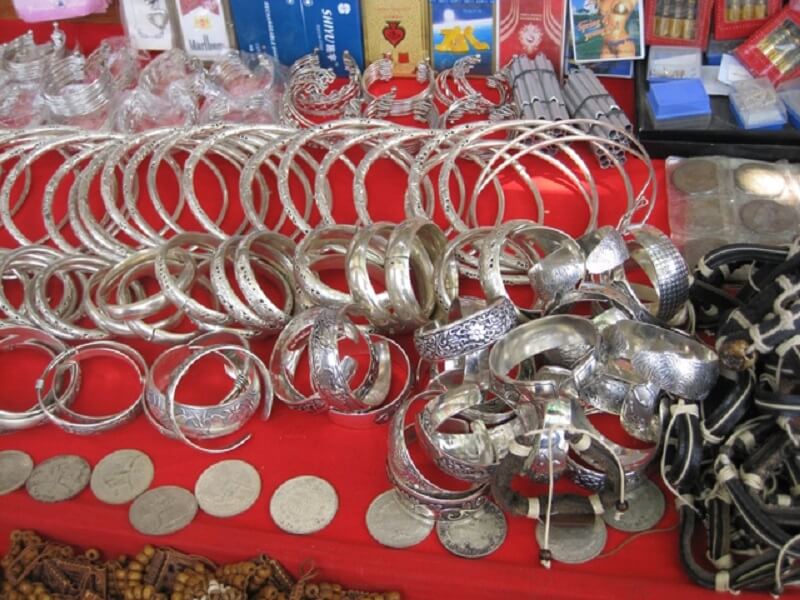
In addition to rice cultivation, the H’mong people in Cat Cat also excel in various traditional handicrafts such as hemp cultivation, weaving, bamboo crafting for daily tools, and forging agricultural tools. Furthermore, Cat Cat is renowned for its silver and bronze jewelry craftsmanship, producing exquisite items like necklaces, bracelets, belts, and rings. To learn more about these crafts, you can visit the traditional craft village areas with hand-embroidery areas and craft exhibitions, which are truly unique.
Silver and Bronze Jewelry Crafting
The art of crafting jewelry from silver and bronze has a long history and results in intricate products. The silver crafting process involves several steps. First, the Mong people melt the silver in a pot over a stove until it becomes molten, then pour it into a mold. After the silver cools down, they use a hammer to shape it into various sizes and shapes, such as large, small, long, short, square, triangular, round, flat, or drawn into threads. Next, they smooth it out, and if necessary, they use nails to engrave patterns or embossments before shaping the final product. Finally, they polish and shine it. The silver-crafted products in Cat Cat are rich and intricate, especially women’s jewelry items like necklaces, bracelets, belts, and rings.
Hemp Weaving
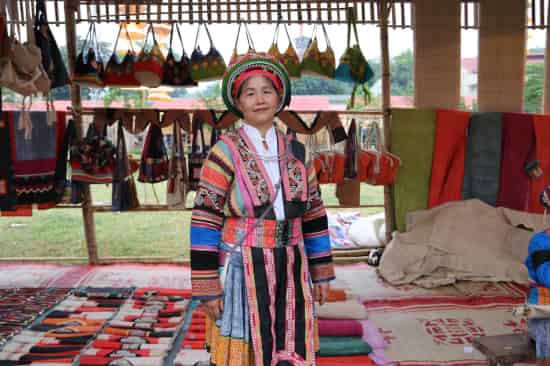
Hemp weaving is a unique traditional handicraft, primarily featuring four main colors: green, red, white, and yellow, with various distinctive and artistic patterns. The captivating woven hemp fabric is available for sale at the market and in traditional hemp craft stalls, allowing you to broaden your horizons and choose souvenirs for your loved ones. Don’t miss the opportunity to visit souvenir stalls and select items such as bags, bracelets, and wallets, as you will undoubtedly acquire unique accessories when you return to the city. During a stroll through the Mong people’s market in Cat Cat, I was amazed by the vibrant colors of their clothing. It felt like I had entered a garden of flowers with the vivid hues of the dresses worn by Mong women, mothers, and young girls, and the countless products on display.
Linen Weaving
Cat Cat Village is renowned for its traditional crafts passed down through generations, with hand-woven linen fabric being the most distinctive product you can choose as a gift for your loved ones. Learning about the linen weaving process, you will appreciate the meticulous and intricate work of the local ethnic people in crafting these garments. They use wild safflower, cotton, and hemp obtained from the forest to create clothing. Silk from silkworms is used for embroidery. To add color to the clothing, they use yellow from turmeric, black from forest leaves, red and brown from tree bark, and green from chamomile leaves, creating visually appealing outfits. Cat Cat Village is also famous for its indigo dyeing technique, which you can witness during your visit.
When you pass through the central market, you will easily spot the splendid hand-woven hemp fabric, skillfully created by artisans in the village, with unique and intricate patterns. When touring the homes of the indigenous people, you will frequently come across images of ethnic mothers sitting by the loom, deftly working to weave colorful fabrics. These fabrics not only showcase superb craftsmanship but also serve as meaningful gifts that convey the sentiments of the Northwestern people to your loved ones.
Bamboo Crafting
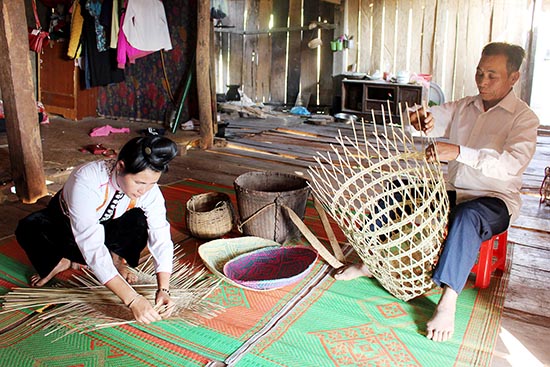
Bamboo crafting in Cat Cat is a remarkable highlight that adds diversity and uniqueness to the traditional crafts of the Northwestern mountainous region. The handmade bamboo tools and household items produced by the local artisans will fascinate and astonish you with their exquisite and unparalleled craftsmanship.
Explore Unique Festivals and Cultural Traditions of the Ethnic People
When visiting Cat Cat, you can discover the unique culture and beliefs of the H’Mong people. Enjoy graceful dances and listen to traditional sounds like khèn and đàn môi.
You can watch or join a sạp dance at the cultural center or during festivals. Trying it yourself is a fun way to connect with locals and feel their joyful spirit.
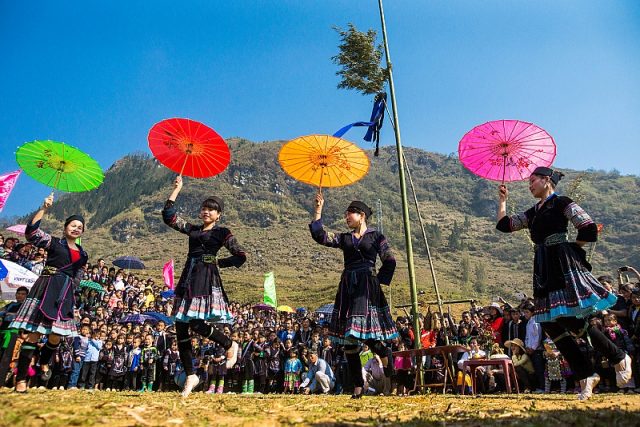
If you visit during the Lunar New Year, don’t miss the Gầu Tào Festival. It is held to pray for luck and good health.
You can also explore the local market and try specialties. Popular dishes include corn wine, corn cakes, smoked meat, “khăng gai,” and bamboo shoot soup. These foods reflect the flavors of the Northwest.
You may also witness unique customs like courtship traditions. Some Mông communities still practice symbolic bride kidnapping. If both agree, a wedding follows and may last two to seven days. If not, they part as friends.
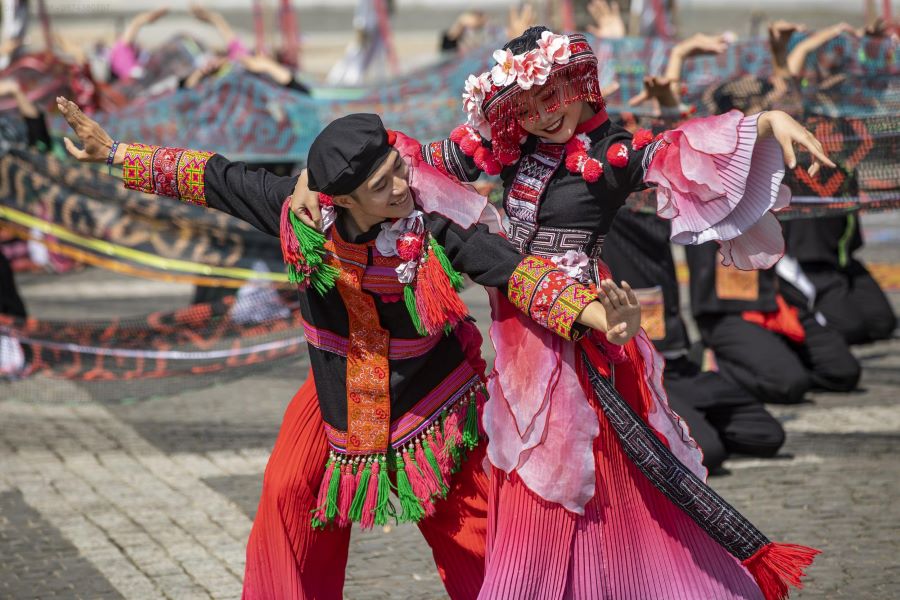
To promote tourism, Lào Cai offers cultural programs like the “Cat Cat Mông Cultural Festival.” You can also try experiences such as “A Day as a Mông Farmer” or “A Day as a Mông Bride.”
During these events, enjoy folk songs, dances, and watch local craftsmen at work. You can join games like archery, tug of war, or bamboo bridge crossing.
If you travel with friends, join the spring festival. It’s a great way to have fun and build team spirit.
Transform into Ethnic Men and Women
One of the most exciting experiences in Cat Cat is trying on traditional H’Mong clothing. These outfits, made from colorful thổ cẩm fabric, are eye-catching and unique. Many travelers love wearing them and taking photos around the village. Popular spots include bamboo groves and mustard flower fields, which create beautiful backdrops.
You can also join the lively sạp dance at the cultural center in the evening. It’s a fun way to connect with locals and enjoy the vibrant atmosphere.
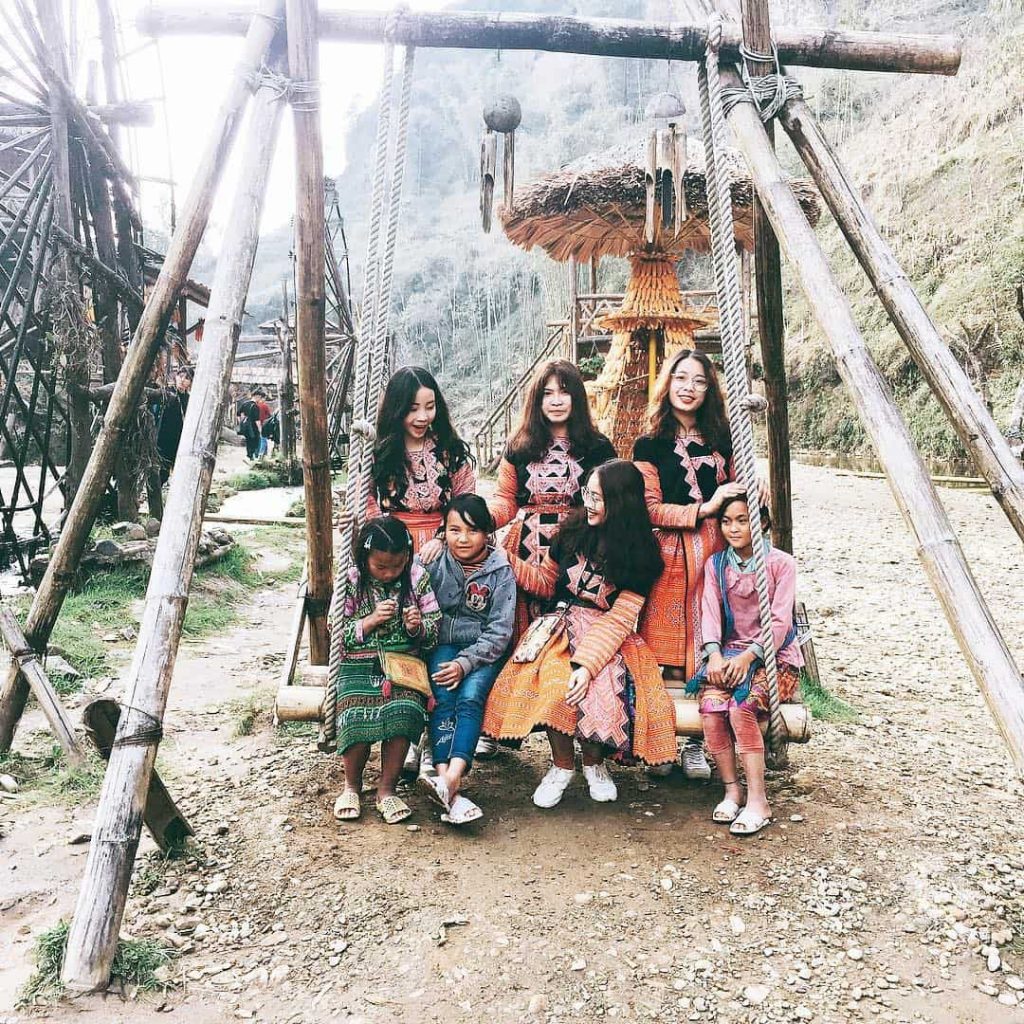
There are many costume rental shops in Cat Cat. You can easily find a wide variety of styles. Rental prices are affordable, usually from 30,000 to 50,000 VND per set. Before renting, check the clothes carefully and report any damage. This helps you avoid problems when returning them.
Don’t forget to take photos with local children. You can also visit nearby schools and observe their daily life. Their smiles and playful expressions make your trip even more memorable.
Stay at Homestays in Cat Cat
In Cuồng’s opinion, you can explore all of Cat Cat in one day, from the Cat Cat waterfall area to the souvenir market and local crafts sold by the villagers. However, if you have extra time and want to delve deeper into the local way of life, spending only a day may not be enough. Therefore, you can consider staying at one of the homestays in Cat Cat.
After an exciting day of exploring Cat Cat, if you still have the energy and time to spare, you can opt for homestay accommodations, which means staying with local families. This way, you can experience the daily life of the Cat Cat people and enjoy the stunning landscapes even more. Most of the homestays in Cat Cat offer breathtaking views, so you can freely choose among them, and each one will provide you with beautiful check-in photos.
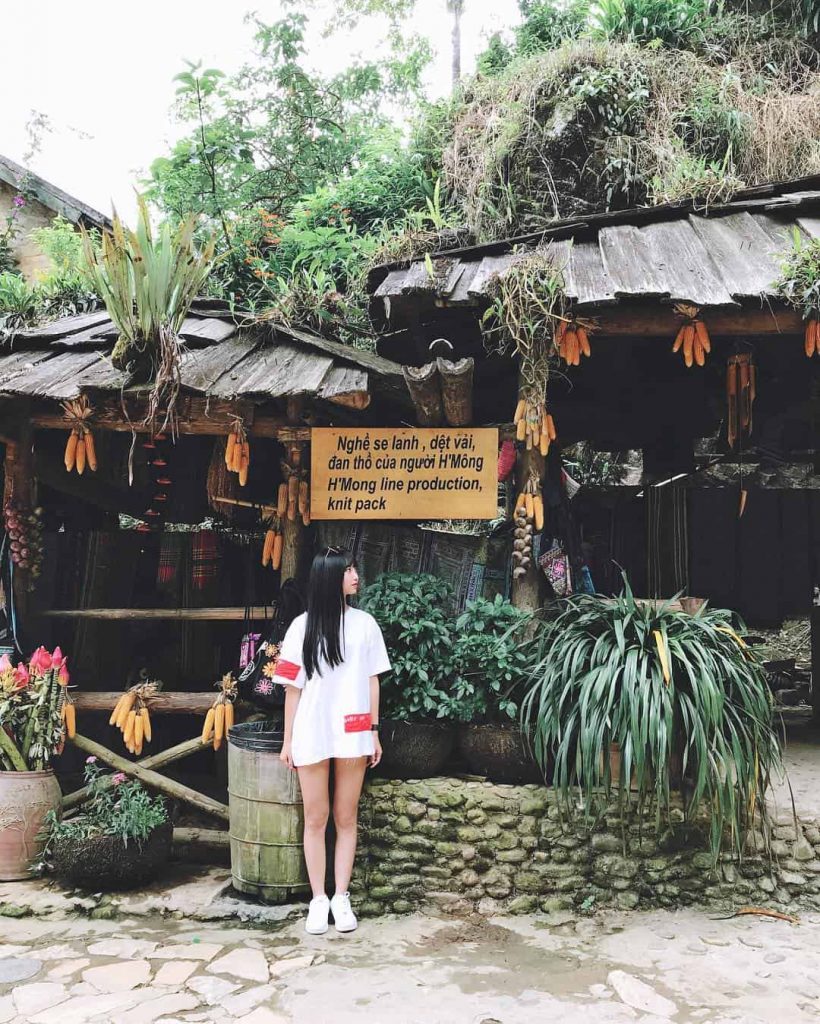
During my visit to Cat Cat, I stayed at Cat Cat View Hotel, and I’d like to share my review with you. Cat Cat View Hotel is renowned as the best resort paradise in Cat Cat. The comfortable guest rooms are situated on the hillside with an incredibly beautiful view, along with modern amenities like elevators and warm stoves, ensuring that you have the most wonderful time during your stay. My room was adorned with wooden flooring and numerous vases of flowers, creating an elegant atmosphere. The room felt extremely clean, the bed was exceptionally comfortable, and I even had a great night’s sleep. After waking up, I was ready to continue exploring Cat Cat.
Visiting Local Houses
In Cat Cat Village, there are over 80 stilt houses. Some of these houses are quite old and have unique architectural features dating back to the 19th century. Exploring these houses and learning about the daily lives and customs of the local people is a fascinating experience. You can visit the house of a local family in the evening, sit by the fire, and enjoy a cup of corn or apple wine while listening to the elders’ stories. I’m sure you’ll discover many interesting aspects of Cat Cat, its traditions, and the culture of the H’Mong people.
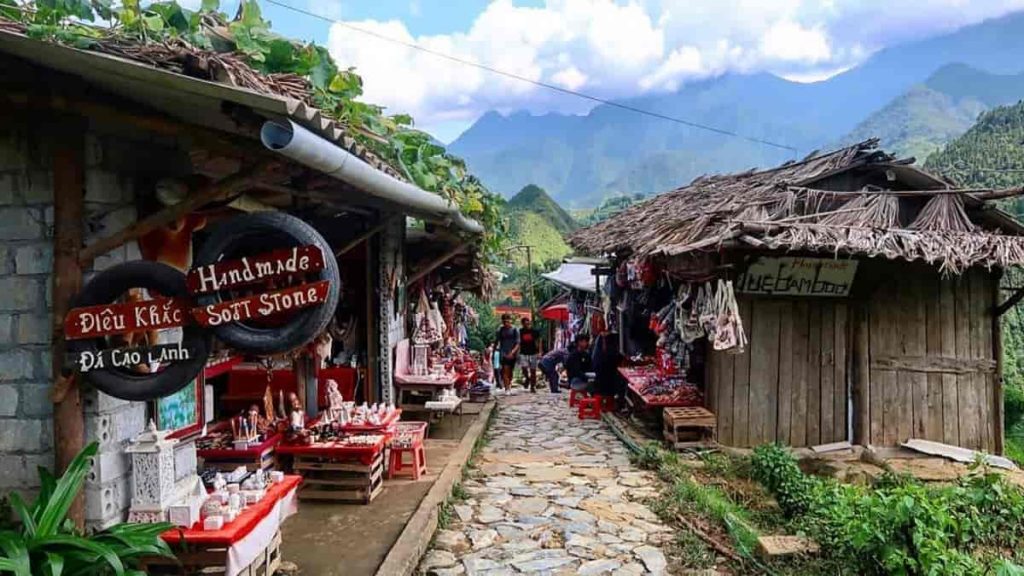
The architecture of H’Mong houses in Cat Cat Village still retains many traditional features: three-room houses with wooden roofs made of pơmu wood. The house frame has three horizontal beams. All the columns are placed on rounded or square stones. The walls are made of split wood, and there are three entrances: the main door in the middle and two side doors at each end of the house. The main door is always kept closed and is only opened for significant events like weddings, funerals, or festive occasions. Inside the house, there are spaces for worship, storage of food reserves, sleeping, cooking, and receiving guests.
Enjoying Local Delicacies in Cat Cat Village, Sapa
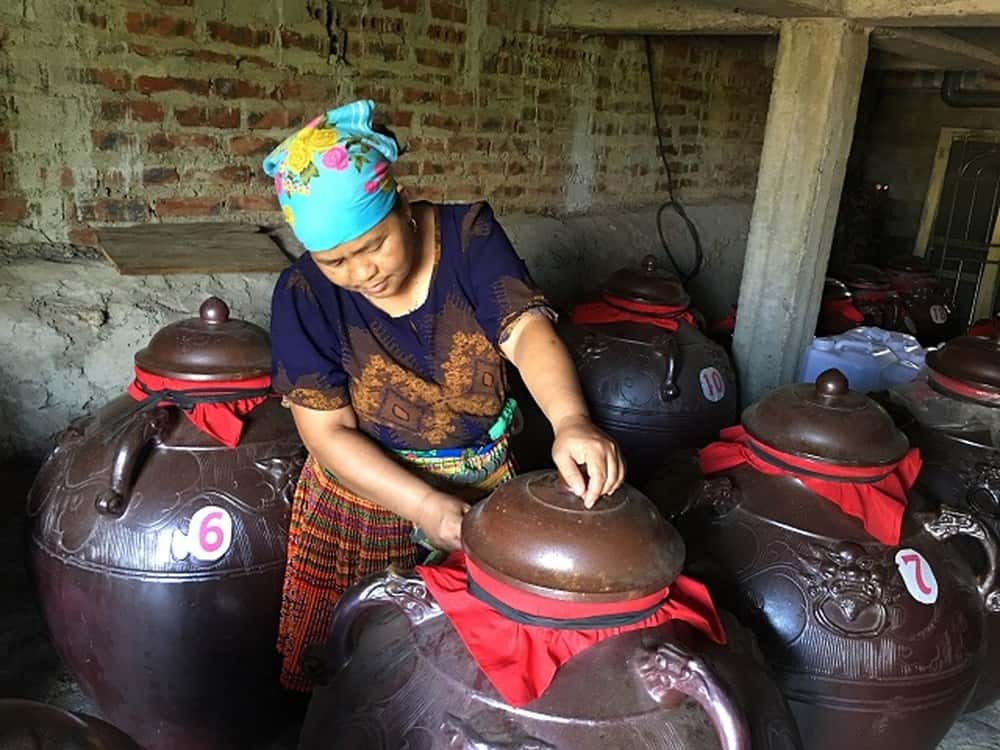
Corn Wine: Corn wine, known as the “drink of happiness,” is very popular in Cat Cat. Locals boil corn, mix it with yeast, and ferment it for about six days. The result is a mild, fragrant drink. You can easily find it at the market at a reasonable price. It also makes a great souvenir.
Buffalo Smoked Meat: This is one of Sapa’s most famous specialties. The meat is smoked over a kitchen fire, giving it a rich aroma and unique flavor. The slices are tender, slightly sweet, and a bit spicy. It’s perfect to enjoy with friends as a snack.
Local Fruits: Sapa is known for fresh mountain fruits like plums, peaches, and pears. They may look simple but taste crisp and refreshing. You can buy them near Sapa Church at affordable prices.
Apple Wine: Apple wine is another local favorite. It costs around 10,000 VND per glass. Enjoy it with grilled dishes for a better experience. If you stay overnight in Cat Cat, try a glass of apple wine in the evening. Pair it with grilled food and good conversation for a relaxing end to your day.
Tourist Attractions Near Cat Cat Village in Sapa
Sin Chai Village
Sin Chai Village is located about 4km north of Cat Cat Village, extending along the road. It is home to the Hmong people. When you visit Sin Chai Village, you can explore tribal houses, observe weavers at work in the workshops, and enjoy traditional music performances.

Ta Phin Village
Ta Phin Village is situated 10 km north of Sapa. It boasts picturesque natural landscapes and rich ethnic cultural heritage. Ta Phin always captivates tourists with its rustic simplicity, which is both straightforward and incredibly appealing.
Where to Stay in Cat Cat Village?
Tourism in Sapa has been quite developed in recent years, and as a result, accommodations have been built to meet the large demand of tourists.
During your Sapa trip to explore Cat Cat Village, you can choose from several homestays and hotels for your stay:
- Sapa CatCat Hills Resort & Spa Address: 86 Fansipan, Sapa District, Lao Cai Province
- Sapa The Chill Garden & Villas Address: Fansipan Road, Sapa District, Lao Cai Province
- Hotel Cat Cat Galerie d’Art Address: 46 Fansipan, Sapa District, Lao Cai Province
- Catcat Garden Address: 79 Fansipan, Sapa District, Lao Cai Province
- Fansipan Terrace Cafe and Homestay Address: 67 Fansipan, Sapa District, Lao Cai Province
- The Haven Sapa Camp Site Address: Vong Canh Hill, Sapa District, Lao Cai Province
Some Tips for Visiting Cat Cat Village
- Dress Appropriately: Before you go, choose clothing that suits the weather to avoid being too cold or too hot.
- Pre-book Accommodations: Make hotel reservations in advance to ensure you have a room, especially during peak tourist seasons.
- Avoid Littering: Limit littering in public areas to protect the environment, natural landscapes, and the local community’s living spaces.
- Plan Ahead for Photography: Plan in advance, including your photography angles, lighting, etc., to capture beautiful and Instagram-worthy photos.
- Comfortable Footwear: Select comfortable footwear such as sneakers or hiking shoes for easy movement because Cat Cat Village’s paths may not always be smooth and can be slippery near waterfalls.
- Essentials: Carry essentials like drinking water, sunscreen, sunglasses, and long-sleeved clothing to protect yourself from the high-altitude sun, especially during midday.
Conclusion
Cat Cat Village is a must-visit destination in Sapa. It offers a great chance to explore the lifestyle and culture of the H’mong people. You can also enjoy stunning views of lush mountains, terraced rice fields, and peaceful surroundings.
We hope you have a memorable trip. Don’t forget to choose DanangPrivateCar.com for a safe and convenient journey.


Pingback: Heavenly Flower Rose Valley in Sapa - Da Nang Private Car